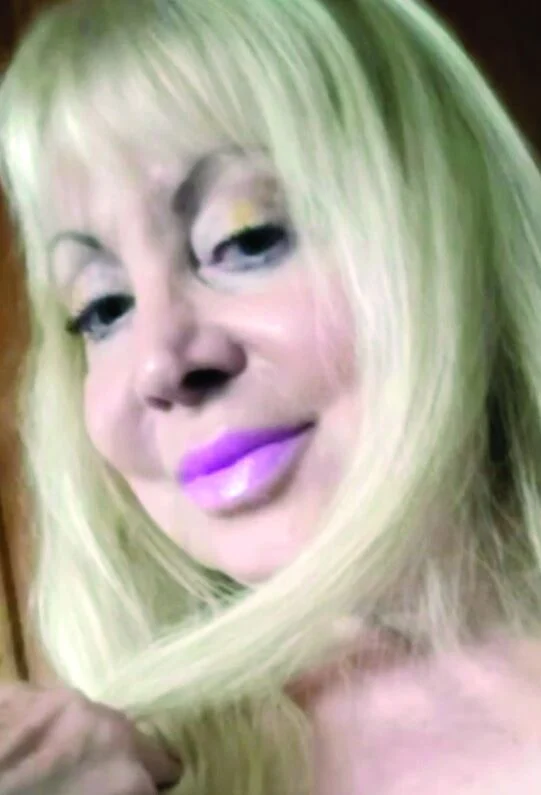
A West Kelowna author who was welcomed into an Indigenous community in Ontario wrote about her experience through the stories of 22 of its members.
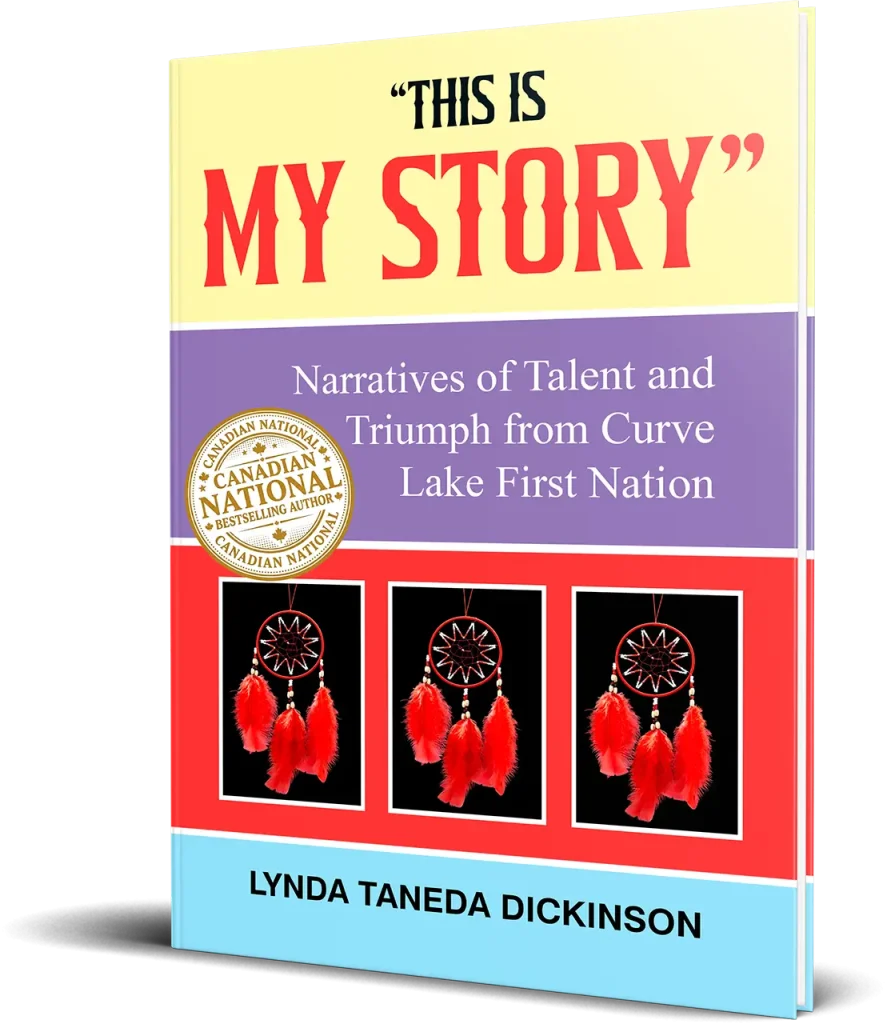
Lynda Taneda Dickinson’s latest book, “This Is My Story”: Narratives of Talent and Triumph from Curve Lake First Nation, is based on her time at Curve Lake First Nation in Ontario. The 22 stories paint a picture of “resilience, creativity, and unshakable spirit.”
Her interest was first piqued after stopping at the Great Blue Heron Casino in Port Perry for a bathroom break. There, she saw an Indigenous man who was “attractive and had long dark hair.”
Dickinson struck up a conversation, and that’s when she first learned about pow-wows.
“He explained as best he could,” she recalls.
Dickinson wanted to know more about Curve Lake. So her niece helped her to connect through instagram where they met Robyn Ivey Pearson, the owner of a candle company called Indigenously Infused.
“Reserves are very spiritual places,” she said. “From moment I set foot, it was as though I had come home.”
She spoke with parents whose children were “basically kidnapped” to be sent to the Mohawk Institute Residential School in Brantford, where they experienced unimaginable forms of abuse.
“Imagine someone coming into your house and basically taking the kids away.”
A decade of residential school took a heavy toll on their families.
“When they came out of the residential school they were messed up, their parents didn’t recognize them. They didn’t speak their native language. Their parents didn’t speak English.”
Alumni of the residential school were given a rough time by other members of the First Nation. A common insult was that they were red on the outside but white on the inside.
“They went through hell,” Dickinson said. “So a lot of them rebelled, which is what a lot of us would have done if we had been put in the same situation. Their whole culture, history was taken away.”
The book isn’t afraid to explore the horrors experienced by the Curve Lake community.
“Imagine being so hungry that you would escape at night to go to the local dump so you could find garbage to eat.”
But it also emphasizes how much the community has healed and persevered through that much trauma, which gave Dickinson a strong appreciation for how resilient they are.
“I’ve never met a group of people that are kinder and more intelligent.”
Some of the Curve Lake residents she met are professional artists, and said they’re all very creative.
“They’re not a very pushy people, so they don’t brag. So unless they were asked, they don’t go out and say ‘I did this, I did that.’”
She spoke with Pearson’s grandma, Rita Rose, who helped preserve the Ojibwe language through the brutalities of the residential school era.
Many other Curve Lake artists are also reclaiming their traditions. One such story comes from painter Freddy Taylor, who attended the residential school in Brantford for 10 years. Another Curve Lake–born artist interviewed by Dickinson is Randy Knot.
“This Is My Story”: Narratives of Talent and Triumph from Curve Lake First Nation is available in hardcover, paperback and digitally.
To pick up a copy, visit Dickinson’s website — lyndatanedadickinson.com.
Proceeds from each sale will be donated to a children’s charity on Curve Lake First Nation.